Health
Water: The Simplest Habit with a Big Impact on Health
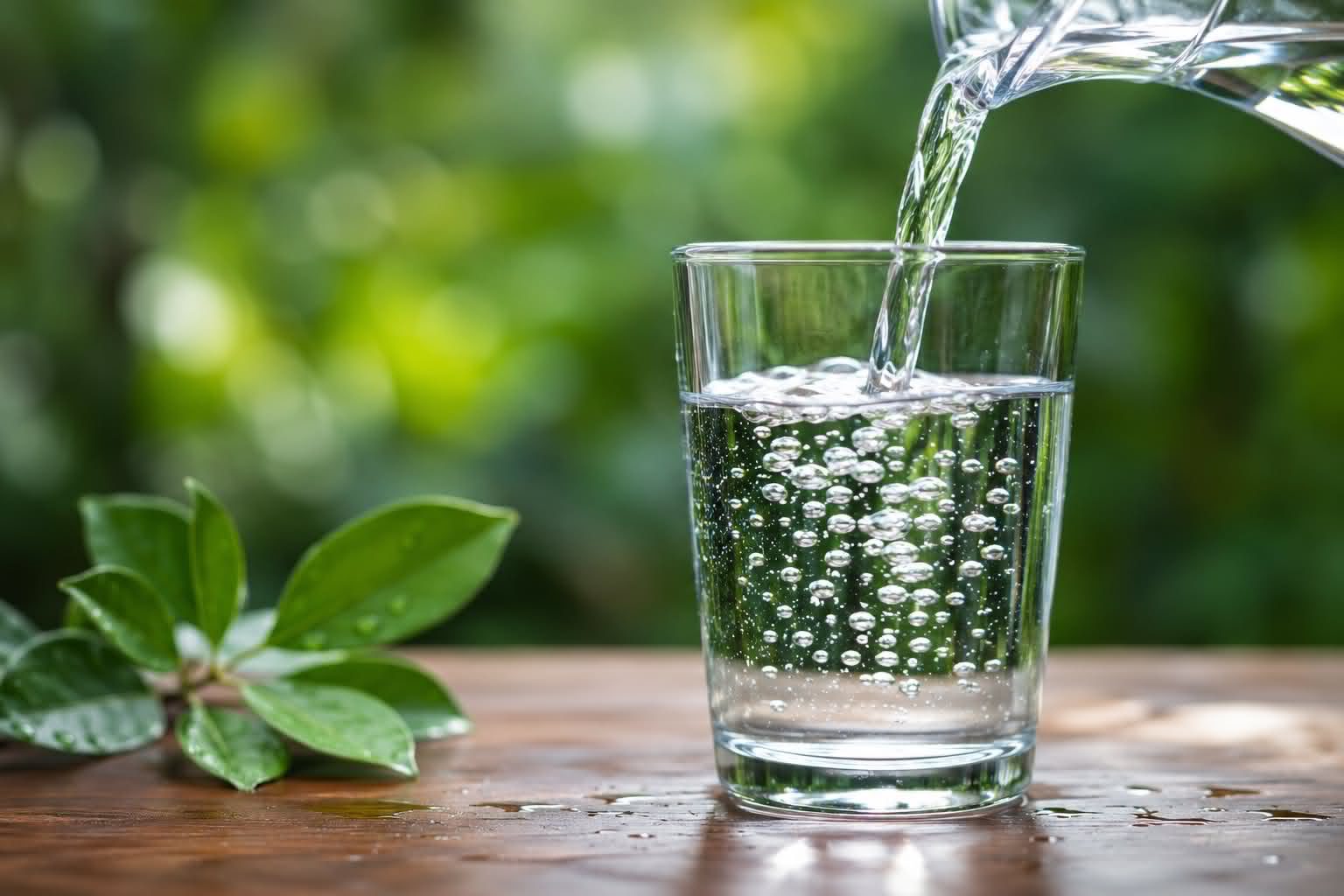
We drink water every day, yet we rarely consider the significant role it plays in our bodies. In reality, a large part of the human body is made up of water, and it facilitates numerous vital processes.
When we don't consume enough water, our body quickly lets us know - sometimes it's just fatigue, other times it's a headache, difficulty concentrating, or a strong feeling of thirst.
We don't just need water to quench thirst
Water participates in hundreds of processes in the body. It helps transport nutrients and oxygen, regulates body temperature, protects joints, ensures proper kidney function, and aids the body in eliminating unnecessary substances.
Digestion, blood circulation, and many stages of metabolism all depend on a sufficient amount of water.
What happens when we don't drink enough water?
Dehydration doesn't always manifest in severe forms. Often, the first signs are quite mild, and many people attribute them to other causes. A lack of water may be indicated by:
- Frequent feeling of thirst;
- Dry mouth;
- Dark-colored urine;
- Fatigue;
- Headache;
- Dizziness;
- Difficulty concentrating.
How much water do we actually need?
There is no single answer. The required amount of water varies depending on age, body weight, physical activity, climate, and health status.
For a healthy adult, an average intake of approximately 2-3 liters of fluid per day is sufficient. It's important to know that this amount doesn't only include drinking water - the body also gets fluid from food. Fruits, vegetables, soups, and other beverages are part of daily hydration.
If you exercise a lot, work in a hot environment, or sweat intensely, your fluid requirements also increase.
Is it really necessary to drink 8 glasses of water a day?
This recommendation has been popular for years, but today specialists no longer consider it a universal rule. Some people need less water, others more. It's much more important to consider the body's signals than to adhere to a specific quantity.
Do coffee and tea count towards water intake?
Yes. According to modern research, coffee and tea consumed in moderate amounts contribute to the body's fluid balance. Although caffeine has a mild diuretic effect, it does not cause dehydration under conditions of daily consumption. However, water still remains the best source of fluid intake.
Can too much water be harmful?
In rare cases - yes. If we drink a large amount of water in a very short time, the sodium level in the blood can significantly decrease. This condition is called hyponatremia. That's why it's best to distribute water intake evenly throughout the day.
Simple tips to drink more water
- Start your morning with a glass of water;
- Always carry a water bottle with you;
- Drink water before every meal;
- Always replenish lost fluids after exercise;
- If you find it difficult to drink plain water, add slices of lemon, orange, or cucumber.
Drinking water doesn't require special effort, but it's precisely these simple habits that form a strong foundation for health.