Health
Keto Diet: What Does It Involve and Does It Really Work?
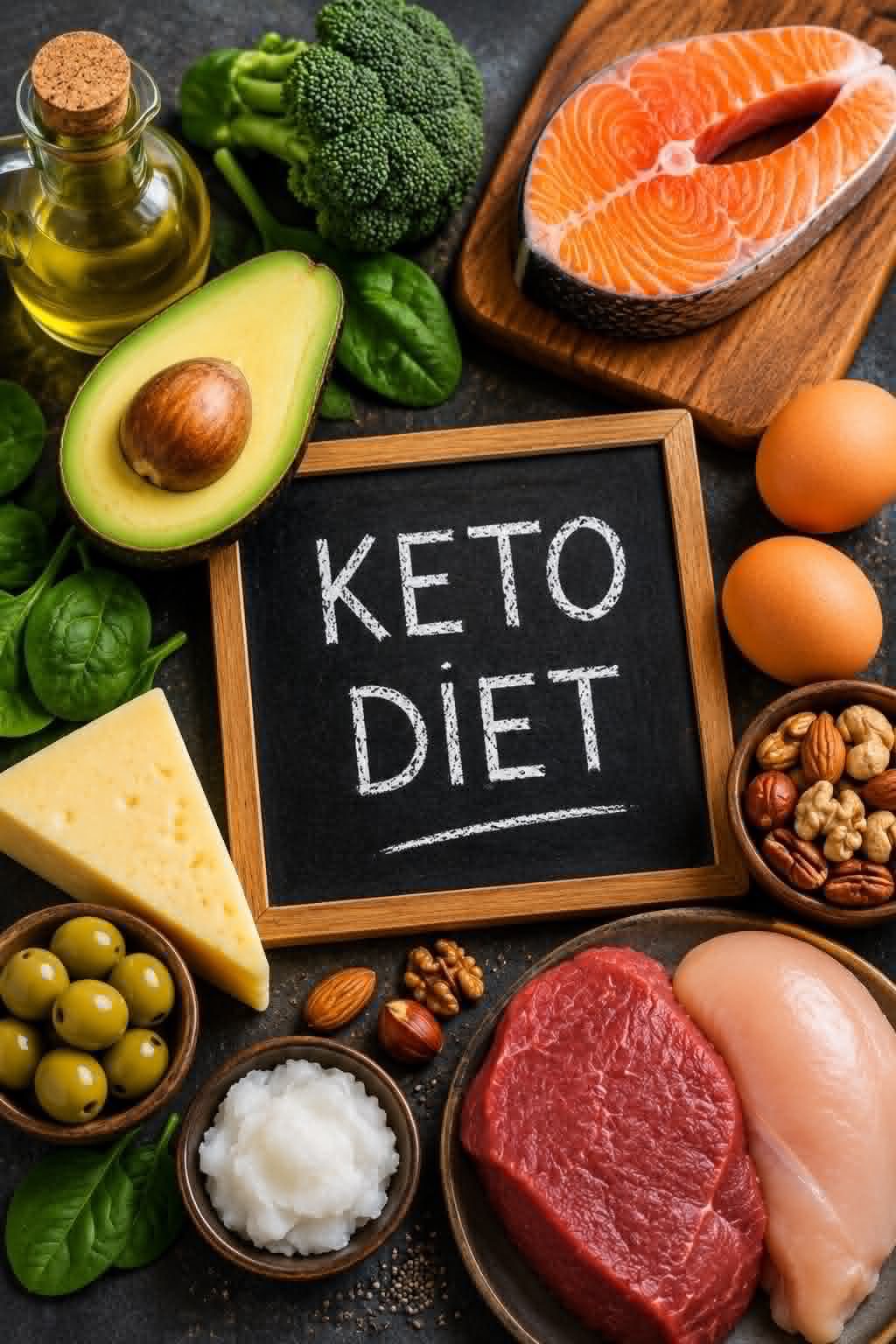
In recent years, the keto diet has become one of the most popular eating regimens. Some choose it for rapid weight loss, others for better blood sugar control, and for some, it's simply a lifestyle.
However, the keto diet is not just about restricting bread and sweets. Its main goal is to change the body's source of energy.
What is the Keto Diet?
The ketogenic, or keto, diet is an eating regimen where the amount of carbohydrates is sharply reduced, while the proportion of fat significantly increases.
Normally, a person gets most of their energy from carbohydrates. After restricting them, the body begins to break down fats more actively and produces substances called ketones.
This state is called ketosis. It is during ketosis that fat is used as the main source of energy.
What Do We Eat on the Keto Diet?
The keto diet typically includes:
- Meat, fish, eggs, cheese;
- Butter, olive oil, avocado;
- Nuts and walnuts;
- Green leafy vegetables, broccoli, cauliflower, cucumber, zucchini.
On the keto diet, the following are significantly restricted:
- Sugar, sweets, bread, pasta, rice, potatoes;
- Flour products, sugary drinks;
- Most fruits;
- Beans and other legumes (in most cases).
The daily carbohydrate intake often remains within 20-50 grams.
Does It Help with Weight Loss?
Many studies show that the keto diet can indeed be effective for weight loss, especially in the first few months. The reasons for this are:
- Reduced appetite;
- Lower calorie intake;
- Depletion of glycogen stores and associated water loss;
- More active use of fats for energy.
However, in the long term, the superiority of the keto diet compared to other well-planned low-calorie diets is not always confirmed.
Does It Have Health Benefits?
In some cases - yes. The keto diet was originally developed to treat certain forms of epilepsy, especially in children. There are also studies suggesting that it may help some people control type 2 diabetes, reduce insulin resistance, and improve triglyceride levels. However, this does not mean that the keto diet is the best choice for everyone.
What Are the Risks?
When starting the keto diet, some people experience what is known as "keto flu," with symptoms such as headache, fatigue, weakness, irritability, dizziness, and muscle cramps. These symptoms usually last from a few days to a week. If the diet is not planned correctly, it can also lead to fiber deficiency, constipation, lack of certain vitamins and minerals, or an increase in LDL ("bad") cholesterol in some individuals.
Is It Suitable for Everyone?
No. The keto diet is not recommended without medical or dietitian supervision for certain conditions, including severe liver diseases, some pancreatic diseases, pregnancy and breastfeeding, as well as rare metabolic disorders. Also, if you have any chronic diseases or are taking medications, consulting a doctor before starting such a drastic dietary change is important.
Conclusion
The keto diet certainly works, but it is not a "magic method." Its effectiveness depends on how correctly the entire eating regimen is planned and whether it suits a particular person's health status and lifestyle. For some, keto is an effective choice, while for others, a more balanced eating model is better and easier to maintain.