Health
Why Has Creatine Become One of the Most Popular Supplements in Recent Years?
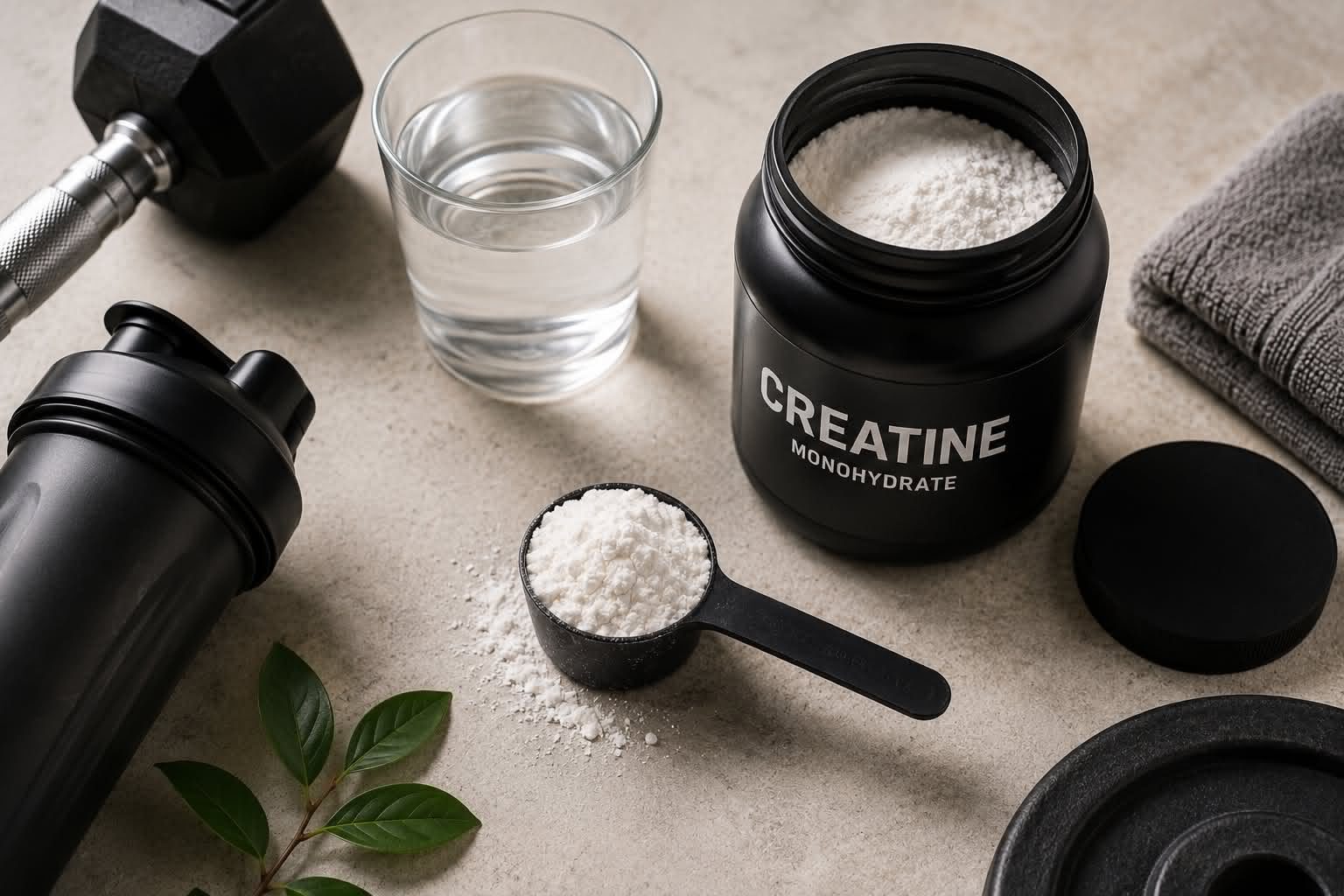
A few years ago, creatine was primarily used only by strength athletes and bodybuilders. Today, however, it is one of the most frequently discussed dietary supplements, used by athletes and individuals seeking better physical and mental productivity alike.
The main reason for this is the scientific research published in recent years, which has shown that the benefits of creatine are not limited to muscle mass growth.
What is Creatine?
Creatine is a naturally occurring compound that the human body produces itself and also obtains from food, primarily red meat and fish.
Approximately 95% of it is stored in muscles, where it participates in rapid energy production. The remaining amount is distributed in the brain and other organs.
How Does it Work?
Creatine's main function is to help the body rapidly regenerate ATP (adenosine triphosphate).
ATP is the primary energy source that the body uses during:
- Strength training;
- Sprinting;
- Jumping;
- Heavy physical exertion;
- Intense mental work.
The faster ATP is regenerated, the more efficiently muscles and cells with high energy demands work.
Why Has Creatine Become So Popular?
Numerous studies have confirmed that creatine helps:
- Increase strength and power;
- Improve the effectiveness of high-intensity exercise;
- Increase muscle mass in conjunction with strength training;
- Recovery after exercise.
In addition, scientists are actively investigating its impact on brain function.
Creatine and the Brain
Some studies show that under certain conditions - for example, lack of sleep, intense mental exertion, or in old age - creatine may contribute to memory, attention, and information processing.
However, these effects have not yet been unequivocally confirmed in healthy young adults, and additional research is needed.
Who Might Benefit From It?
Creatine is most commonly used by:
- Strength athletes;
- People involved in fitness;
- Athletes;
- Vegetarians and vegans;
- Elderly people to maintain muscle mass.
How Much Creatine is Recommended?
The most commonly recommended daily dose is:
3-5 grams of Creatine Monohydrate.
This amount is sufficient to maintain creatine stores in the body. A loading phase is not necessary - daily intake is also effective, it just takes a little longer to achieve results.
Is it Safe?
Creatine is one of the most thoroughly studied dietary supplements. According to existing research, taking it at recommended doses in healthy individuals is considered safe, and there is no evidence that it damages the kidneys. However, individuals with chronic kidney disease should consult a doctor before use.
Conclusion
Creatine is no longer just a supplement for athletes. Today, it is one of the most well-studied dietary supplements, with its effectiveness in improving high-intensity physical performance firmly established. In parallel, scientists continue to research its potential impact on brain function and overall health.