Tips
How to Freeze Vegetables Correctly? This Way They Retain Flavor and Quality Longer
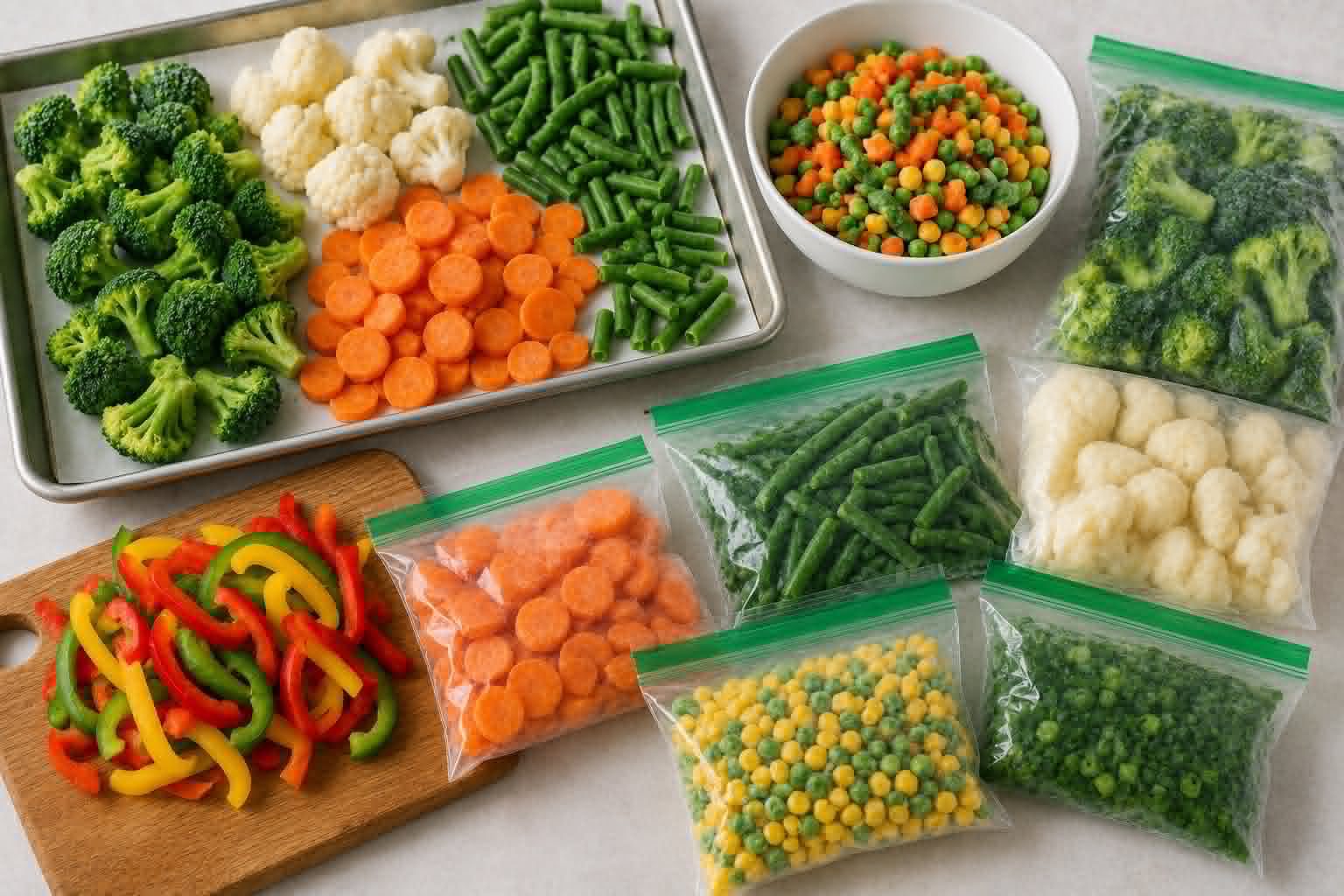
Freezing vegetables is one of the best ways to preserve seasonal produce for longer. When frozen correctly, vegetables retain their flavor, color, and much of their nutritional content for months.
However, not all vegetables freeze the same way. Some require pre-treatment, while others can be placed directly in the freezer.
Why is it not advisable to freeze vegetables directly?
Enzymes naturally present in vegetables continue to act even after harvesting.
If you freeze vegetables without pre-treatment, over time, they may change in:
- Color;
- Taste;
- Texture;
- Aroma.
This is why blanching is recommended for many vegetables - placing them in boiling water for a few minutes and then rapidly cooling them in ice water.
Which vegetables should be blanched?
For best results, blanching is recommended for:
- Broccoli;
- Cauliflower;
- Green beans;
- Carrots;
- Peas;
- Corn;
- Spinach.
After blanching, dry the vegetables thoroughly before freezing.
Which vegetables can be frozen directly?
Some vegetables freeze well without any prior preparation. For example:
- Bell peppers;
- Hot peppers;
- Onions;
- Garlic;
- Herbs (dill, parsley, cilantro);
- Celery leaves.
It is important that the vegetables are thoroughly washed and dried before freezing.
How to freeze them so they don't stick together?
If you put vegetables directly into a bag, they will turn into one large clump after freezing. To prevent this:
- Arrange the vegetables in a single layer on a tray or board;
- Place them in the freezer for a few hours;
- Once fully frozen, transfer them to an airtight bag or container.
This way, you can take out only the desired amount when needed.
How long do frozen vegetables last?
If the freezer temperature is -18°C or lower, most vegetables will last for 8-12 months without significant loss of quality. The best flavor and texture are still within the first 6-8 months.
How to use them?
Most vegetables do not need to be thawed at all. Broccoli, peas, corn, green beans, and other similar vegetables can be added directly to soups, stews, stir-fries, pasta, or rice. This way, they retain their structure better.
Which vegetables are not worth freezing?
Some vegetables significantly lose their texture after freezing. For example: lettuce leaves, cucumbers, radishes, and raw potatoes (without proper treatment). Such vegetables often become watery and lose their crisp texture after thawing.
Properly frozen vegetables are just as practical and beneficial in winter as they are in season. By following a few simple rules, you can store broccoli, peas, carrots, herbs, and other vegetables for months, ensuring their quality is maximally preserved.